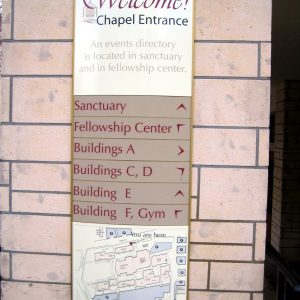
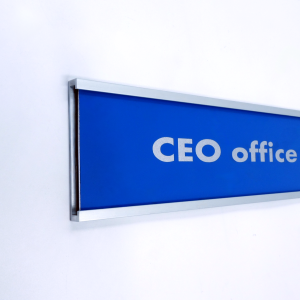
Modern projects require signage that can adapt over time.
Offices change departments. Businesses update branding.
Public spaces replace information regularly.
Therefore, choosing the right signage system is very important.
Modular signage systems help businesses stay flexible while maintaining a professional appearance.
They also improve long-term project efficiency and reduce unnecessary replacement costs.
The first important tip is to think about future updates.
Many businesses only focus on the current project stage.
However, signage almost always changes later.
Room names may change, Departments may move, Promotional graphics may need replacement.
Because of this, modular signage systems create a major advantage.
Instead of replacing entire signs, businesses can simply update inserts or graphics.\
This saves time and reduces maintenance costs over time.

The second tip is to focus on consistency across the space.
A project looks more professional when all signs share the same visual language.
Visitors also navigate spaces more easily when signage feels connected.
Therefore, it is important to choose systems that support multiple sign types within one family.
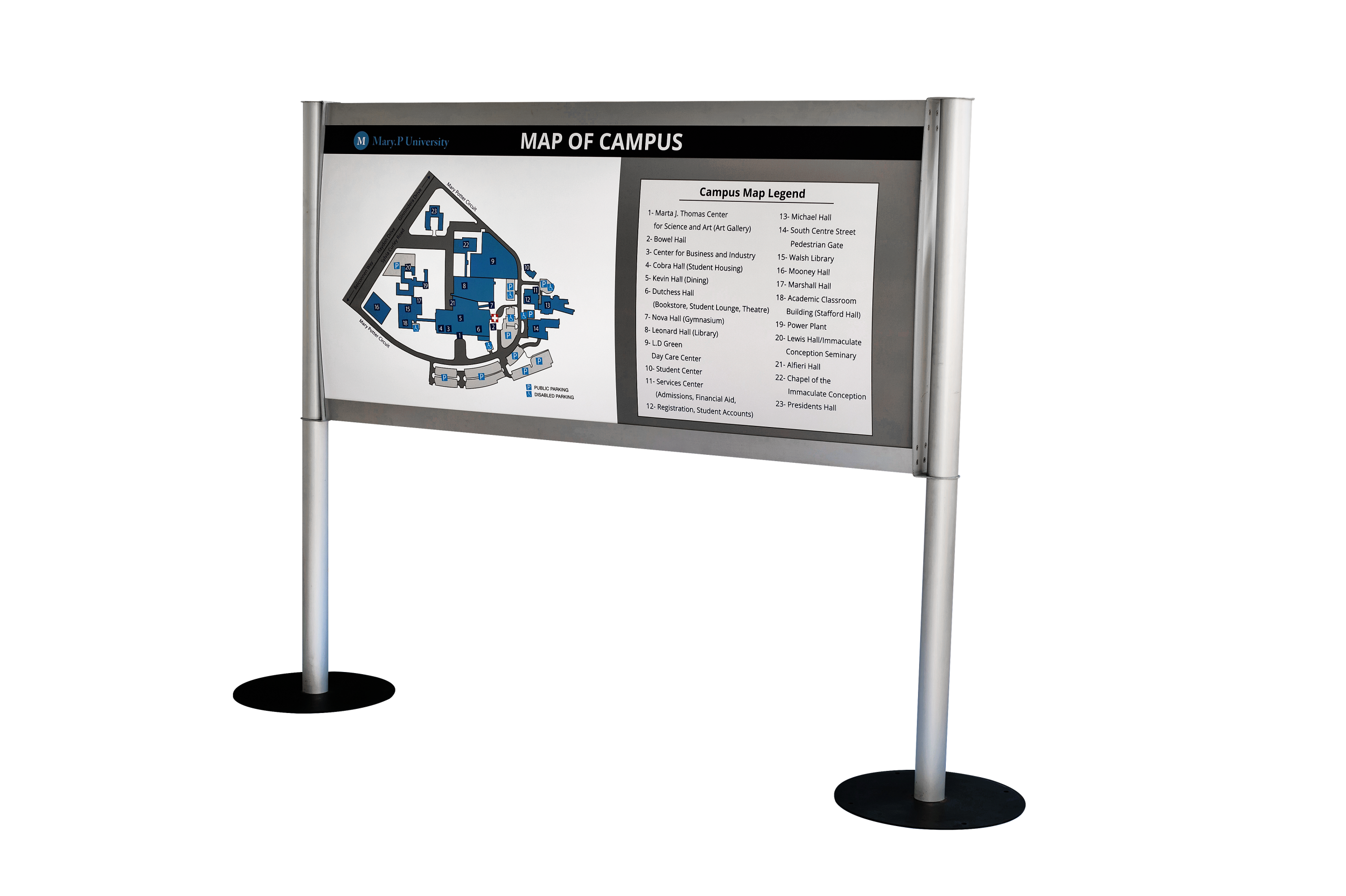
Wall signs, suspended signs, directories, projecting signs, and pylons should work together visually.
As a result, the entire environment feels cleaner and more organized.
Another important tip is to match the signage system to the environment itself.
Different spaces require different solutions.
For example, office environments often require clean and elegant signage.
Retail spaces may need illuminated signs with stronger visibility.
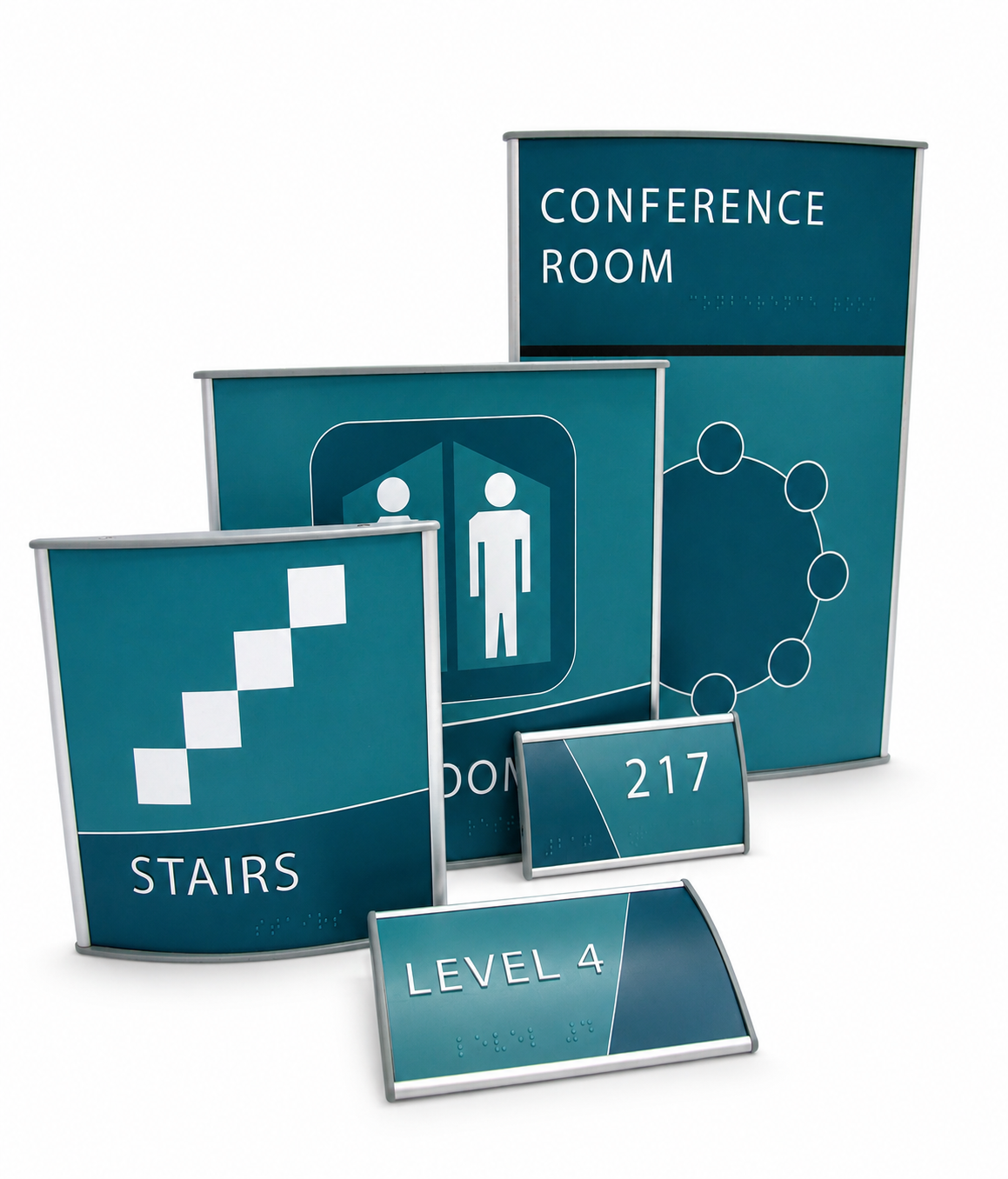
Healthcare projects may require accessible signage that supports regulations and wayfinding.
Therefore, flexibility is essential when planning modern projects.
 />
/>
At the same time, businesses should also think about visibility.
A sign is only effective when people can notice and understand it quickly.
This is especially important in busy environments such as shopping centers, transportation spaces, hospitals, and public buildings.
In some cases, illuminated signage creates a stronger visual impact.
In other environments, simple architectural signage creates a cleaner appearance.
The right balance between visibility and design can improve both navigation and branding.
The fourth tip is to consider installation and daily usability.
Some signage systems are easier to install and maintain than others.
Modular systems simplify many project stages because they use structured profiles and repeatable components.
This improves workflow for sign professionals and installers.
In addition, easy graphic replacement helps businesses update information faster.
As a result, projects become more efficient and easier to manage long term.
Another important factor is durability.
Signage should continue looking professional even in busy environments.
High-quality materials help signs maintain their appearance over time.
Aluminum systems are especially popular because they combine durability with a clean and modern finish.
In addition, modular systems often support long-term use because only graphics or inserts require replacement.
The fifth tip is to think beyond the current project.
A good signage system should support future expansion.
Many businesses grow over time or renovate existing spaces.
Therefore, choosing a modular system creates more flexibility later.
Businesses can add signs, update graphics, or expand wayfinding systems without replacing the full signage program.
This creates better long-term value and supports future project development.
Another advantage of modular signage systems is presentation.
Sign professionals often need to explain ideas quickly during client meetings.
Modular systems make this easier because they offer structured and repeatable solutions.
Clients can better understand how the signage will look across the project.
As a result, communication becomes clearer and approval processes become faster.
Vista System developed multiple signage families to support different project needs and environments.
Some systems focus on elegant office signage.
Others support illuminated applications, stretched fabric graphics, accessibility signage, or large wayfinding structures.
This variety allows sign professionals to choose solutions more accurately while still maintaining a modular approach across the project.
Ultimately, modular signage systems help businesses stay flexible, organized, and professional.
They improve navigation, simplify updates, and support long-term project efficiency.
Most importantly, they help create spaces that feel clear and visually connected.
For sign professionals, this creates a smarter way to plan, present, and execute projects.
If you want to explore the full range of Vista System modular signage solutions,
download the complete catalog here