
Why Modular Signage Is a Smart Long-Term Choice
When choosing signage, we naturally think about what a project needs today. We look at the design, size, location, and information the sign needs to display. But a good signage system should continue to work long after the first installation.
The sign itself may still look great years later, while the information around it has changed. A room gets a new purpose. A department moves. A company updates its branding. So, what happens when the signage needs to change, but the sign itself is still perfectly good?
This is where modular signage makes a real difference.
What Does Modular Signage Mean?
Modular signage is based on a simple idea: a sign does not have to be one fixed, permanent piece. Instead, it can be built as a system of components that work together. You can then change, replace, or adapt individual elements when needed, without replacing the complete sign.
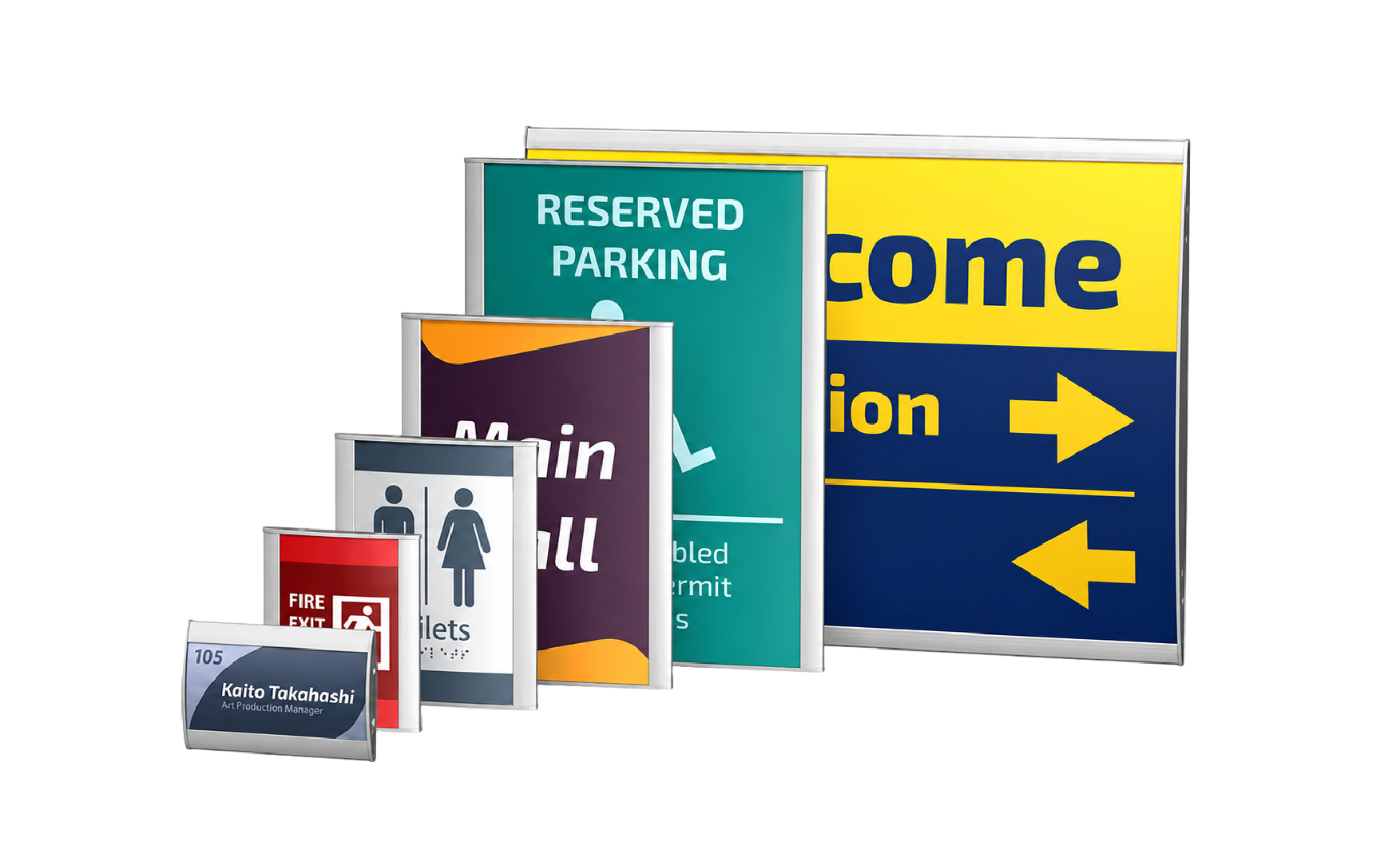
This idea is at the core of Vista System. Our modular signage systems use profiles, inserts, end caps, connectors, and other components to create solutions for different applications. Sign professionals can configure these building blocks around the needs of each project. That structure is what makes modular signage particularly relevant when we start thinking beyond the first installation.
Look Beyond the Initial Price
The price you pay for signage today is only one part of its long-term cost.
Imagine a simple change to a room sign. The information needs updating, but the frame and other components are still in excellent condition. With a modular system, the change can often focus on the insert rather than the complete sign. Over the years, that distinction matters. Thinking long term means considering not only what a sign costs when you buy it, but also what will be required when information needs to be updated later. The ability to work with individual components gives sign professionals and their customers flexibility to respond to those updates without starting from scratch.
One System That Grows With the Project
When a modular signage system is already in place, future additions can follow the same structure and design language. This makes it easier to expand a project without creating a completely new solution each time. It also helps maintain consistency across different signs, applications, and future additions to the project. A sign added later can still feel connected to the original installation, even if the project has grown since then.
The Vista System Family, for example, uses a shared modular approach across different signage applications. Wall signs, directories, projecting signs, suspended signs, and other configurations can become part of the same visual language. That gives sign professionals a system they can continue working with as new needs appear.
The value here is not simply having more options. It is having a familiar framework that can support different applications while keeping the project connected.
Replace What Changes. Keep What Works.
Modularity also changes the way we think about the useful life of a sign.
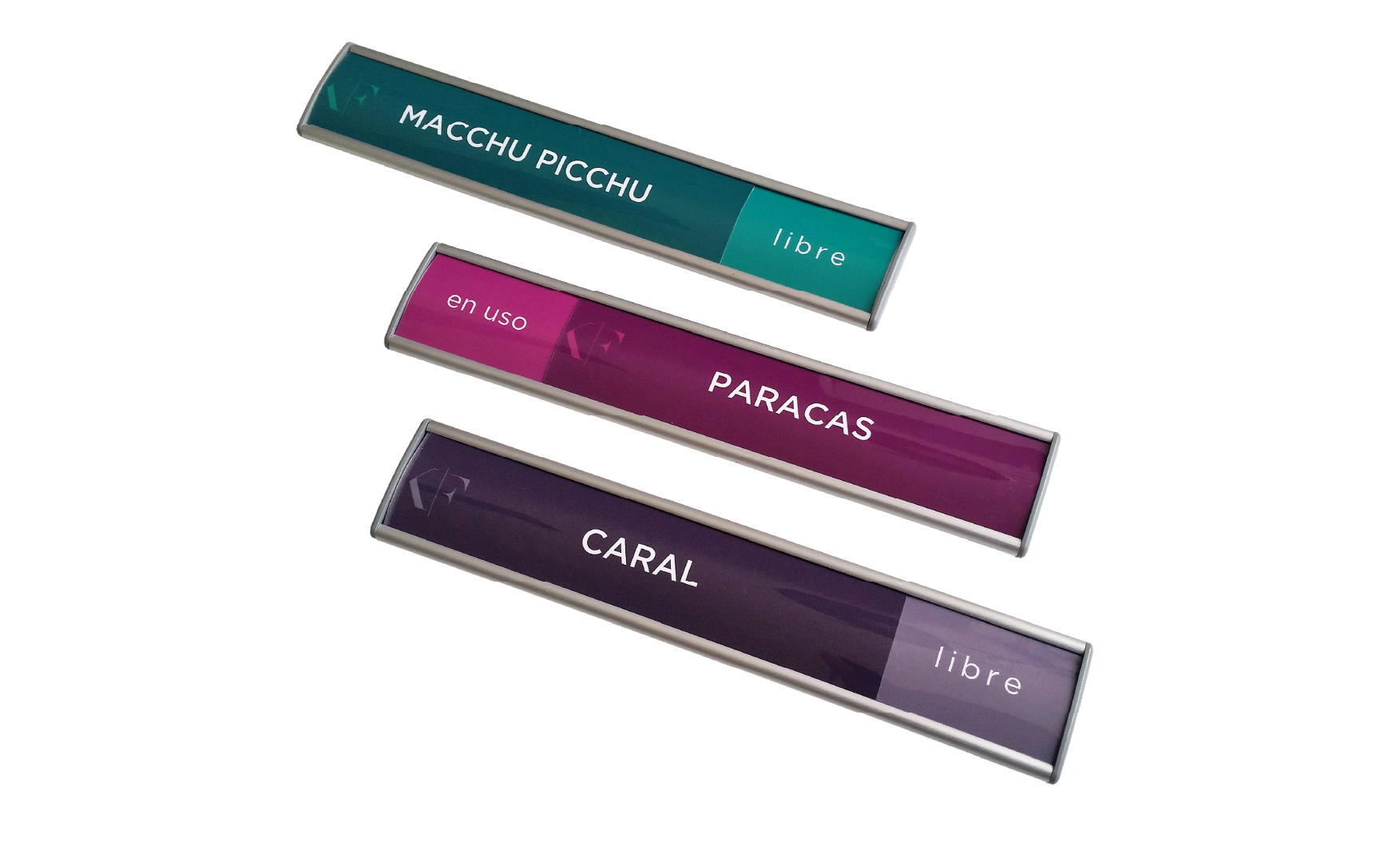
The modular approach can reduce unnecessary replacement and make better use of materials already in place. It also adds another meaning to durability. Long-term value is not only about how long a sign can physically last. It is also about whether the system can remain practical throughout those years.
Built to Stay Useful
Choosing signage for the long term means looking beyond the day it is installed. The system should make sense not only when it is new, but also as the project continues to develop.
That is why modularity has always been central to Vista System. By creating signage from flexible components, we give sign professionals a foundation they can adapt, expand, and continue using across different applications.
A long-lasting sign is important. A modular system that can continue serving the project over time brings another kind of value.
Explore Vista System modular signage solutions.